Ever wondered why the number on the scale never tells the full story? You step on, see a change, but still feel unsure—“Did I lose fat? Did I gain muscle? Or is this just water weight?” That’s where smart scales come in. They don’t just show you your weight—they give you insights. This guide will help you pick the right scale and use it effectively.
Smart scales look like your average bathroom scale, but they’re packed with technology. Along with your weight, they also estimate other health metrics like body fat percentage, muscle mass, bone density, water retention, and even metabolic age.
So how do they do this? Most smart scales use a method called bioelectrical impedance analysis (BIA). It sounds complex, but here’s the idea: when you stand barefoot on the scale, a tiny electrical current travels through your body. Since fat, muscle, and water all conduct electricity differently, the scale can estimate what your body is made of. The results aren’t perfect, but when used consistently under similar conditions, they give a reliable way to track trends and progress over time.
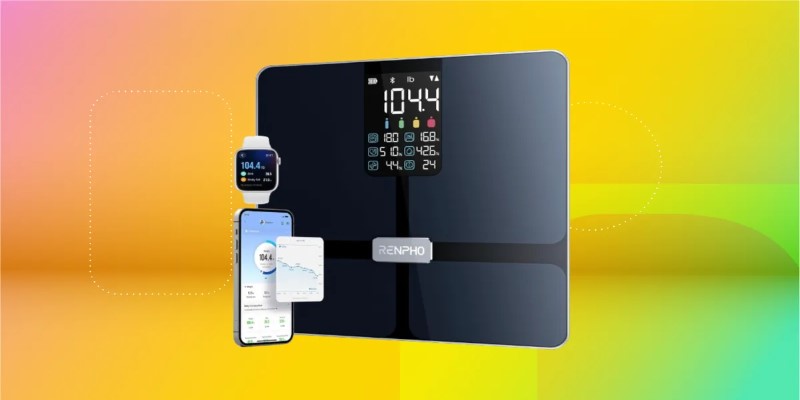
Before you pick a scale, you’ll want to understand what kinds of measurements are useful. Here are some common features smart scales offer—and why they matter:
Still the basic metric, but with a twist. Smart scales sync your weight with a smartphone app, so you can easily track changes over days, weeks, or months.
This is one of the most valuable metrics. Your overall weight doesn’t say much unless you know how much of it is fat vs. muscle. A smart scale helps you see if you're making lean gains or just cutting calories.
Want to know if your strength training is working? A smart scale can help you monitor increases in muscle mass over time.
This is the fat stored around your internal organs—and it’s the one linked with health risks. Keeping this number low is a good goal.
Your hydration level can influence weight fluctuations. Seeing your water percentage helps explain sudden jumps or dips on the scale.
Basal Metabolic Rate (BMR)
This tells you how many calories your body burns at rest. It’s a helpful number for setting calorie targets.
This is a fun (and sometimes sobering) one. It compares your body’s performance to the average for a certain age group. Aim for a lower metabolic age to reflect a healthier internal state.
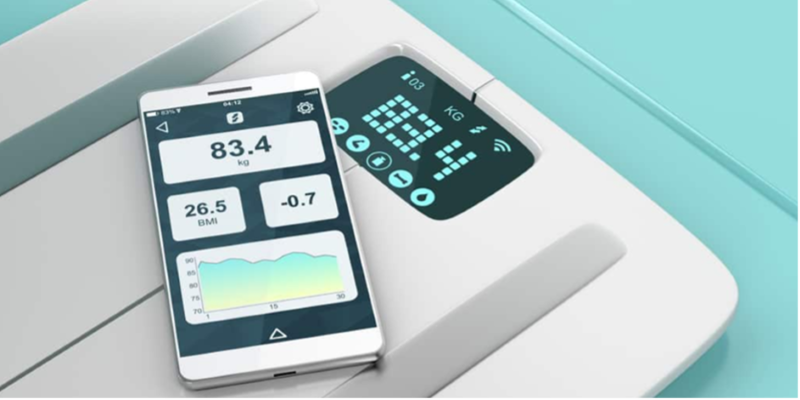
Not all smart scales are equal. Some are basic, and others come with a long list of features and app integrations. Here are the top things to keep in mind when shopping:
Bluetooth-only scales connect directly to your phone, but you need to open the app during weigh-ins. Wi-Fi scales automatically sync data to the cloud, even if your phone is in another room.
Does the scale work with Apple Health, Google Fit, or Fitbit? Make sure it fits into your existing ecosystem. The better the sync, the easier it is to see trends and stay motivated.
If your family or roommates also want to use the scale, look for one that automatically recognizes different users.
Some scales come with special modes to give more accurate readings for athletes or expectant users, where body composition can change dramatically.
Don’t overlook this! You’ll be using it daily. A sleek design, a clear display, and a sturdy build can make a big difference.
There are lots of options on the market, but a few brands have earned a reputation for accuracy, ease of use, and app integration. Here’s a quick overview:
A consistent top pick, Withings Body+ offers full body composition analysis, excellent app design, and seamless Wi-Fi syncing. Bonus: it can even show weather info on the screen.
Budget-friendly and highly rated, RENPHO is ideal for users who want solid features without breaking the bank. It supports multiple users and works with most fitness apps.
Known for fast syncing and accuracy, Eufy’s scale is a great mid-range option. It offers 16 body measurements and strong app support.
If you're already in the Fitbit ecosystem, this one makes sense. It syncs easily with the Fitbit app, though it’s a bit more limited in features compared to competitors.
Garmin Index S2
Ideal for athletes or users who already use Garmin wearables. It’s more expensive but comes with premium build quality and deep health insights.
Smart scales are handy, but their accuracy can vary based on how and when you use them. Here are a few quick tips to get the best results:
• Weigh yourself at the same time each day. Morning, after you wake up and use the restroom, is best.
• Avoid weighing in after workouts or meals. Your hydration and digestion can skew readings.
• Stand still and barefoot. Make sure your feet are clean and dry for proper contact with the sensors.
• Place the scale on a hard, flat surface. Carpet or uneven tiles can mess with accuracy.
• Track trends, not single numbers. The day-to-day can fluctuate. Focus on your weekly or monthly progress.
Smart scales are a modern health tool—convenient, data-rich, and easy to use. But they’re not magic. They work best when paired with a balanced diet, consistent movement, and a realistic mindset.
The goal isn’t perfection. It’s progress. Whether you're trying to lose fat, build muscle, or just understand your body better, smart scales give you the information you need to make smarter decisions.
So, next time you step on that glass plate, know that you’re getting more than just a number. You’re getting a snapshot of your health—and a chance to shape what comes next.